
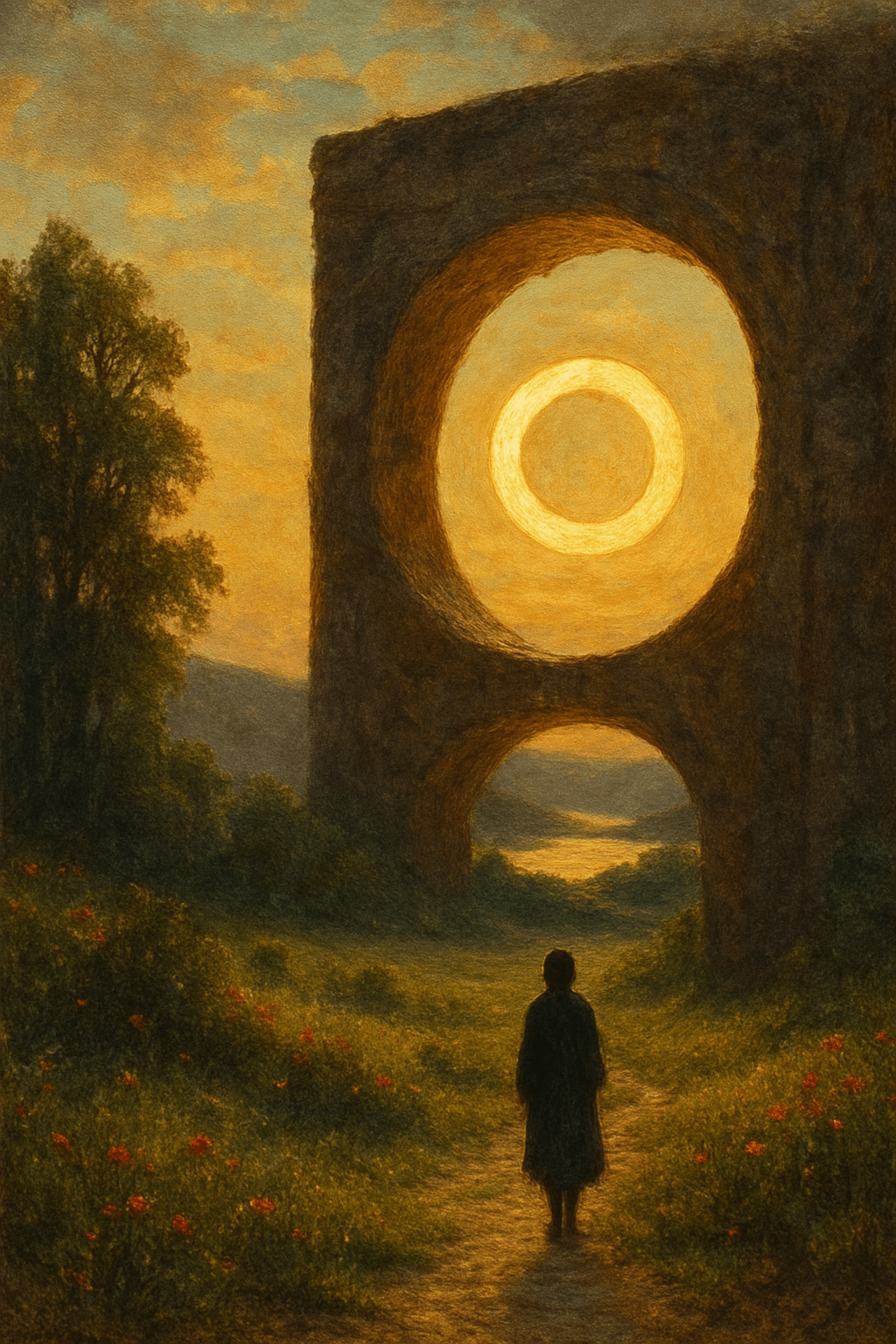
What is the meaning of this life when we’re all condemned to die? Certainly not a fun thought to ponder, but we all come to understand the concepts of death and decay and realize, at one point or another, that we are all subject to them.
How meaningful is the life of someone subject to death and decay? Think of a prison inmate, for example. One who got sentenced the death penalty. What is the meaning of his life that at the end of it, he was thought to deserve nothing more than death? Sentencing someone to death usually occurs because consensus revealed that they are not deserving of their life. They have misused their life so profoundly that it must be taken from them and never given back. And if one’s life gets taken from them, what was the point of them having it in the first place? If one’s life was judged to be so fruitless, so meaningless, so despicable that it should be taken from them, then what was the point of living at all?
We are certainly no different from this inmate. We may not have sat in a physical courtroom and been rendered a legitimate ruling, but we have all been sentenced to death. It seems truly perplexing why this is. All the good we’ve done in our lives, and we’re no different than a lawless prisoner awaiting his death penalty.
I have observed that this reality makes many uncomfortable. I have observed it in the way others seek glory for themselves to seemingly quiet the relentless shouts of death. “If only I conquer all this land, if only I become the most successful entrepreneur, if only I make it to the League—if only I, if only I—then my life will have meant something,” they say. Death is no longer the focus. Accomplishing something so grand that death becomes overshadowed, is.
We cannot fully grasp the reality that our lives will come to an end and that nothing we have done will matter. As mentioned earlier, all things are subject to decay. That land you conquered, that company you built, that team you played for, will all wither. Nothing remains, nothing stays the same. Even the largest dynasties ever built have been completely destroyed, not one trace remains.
As much as we try, we cannot avoid death. Nor can we overshadow it with our accomplishments. No amount of glory or honor we can ever achieve in this life will make us impervious to its effects. We will all lose our lives as if they meant nothing at all and our bodies will return to dust as they lie six feet beneath the earth’s crust. Death is the great equalizer of us all, as one once said.
So, why live at all? Why not just end it right now? What difference will a couple of more meaningless years make? Well, we were created for a reason, right? Like there has to be a reason why we’re all here at all. It seems far less plausible that our existence is mere chance than that there is some reason we are all here. What is that reason?
Everything I have said up until now has been true. We do all die, and our lives are all meaningless insofar as there is no way to escape death. There is no way to escape the cosmic, inevitable, and irreversible end of our existence. I want to say that just about 99% of philosophers agree on these premises, but here is where the paths diverge: Jesus Christ provides a way out of death, and finding it is, in essence, the true meaning of our lives.
The way out of death is called salvation, and it is the only thing that truly gives our lives any purpose at all. This fact is demonstrated so beautifully by the story of the crucifixion of Jesus, when two other men besides him were also sentenced to death by Roman authorities:
Luke 23:39-43 (NLT):
39 One of the criminals hanging beside him scoffed, “So you are the Messiah, are you? Prove it by saving yourself—and us, too, while you’re at it!”
40 But the other criminal protested, “Don’t you fear God even when you have been sentenced to die?
41 We deserve to die for our crimes, but this man hasn’t done anything wrong.”
42 Then he said, “Jesus, remember me when you come into your Kingdom.”
43 And Jesus replied, “I assure you, today you will be with me in paradise.”
The essence of the Gospel is found in verse 41—that we are guilty of sin and condemned to death because of it, but Jesus was blameless and therefore took the punishment for our sins upon himself. He took our death penalty so that we—lawless prisoners awaiting our deaths—could overcome death altogether and join him in paradise, or everlasting, meaningful, and eternal life.
 Finding Your Faith